Intelligence is physical: We are proof that physical systems can be intelligent.
Here we are —— just barely emerging from non-sentient soup —— a compilation of compounded and concatenated accidents, gelatinous blobs molded by a cacophony of environmental pressures, molded just enough to become aware of ourselves and see that physical intelligence is possible.
Now that we know it’s possible, what if we made intelligence on purpose? Where does humanity lie in the spectrum of intelligence? Perhaps “spectrum“ doesn’t evoke enough degrees of freedom. Rather: Where do our minds land in this vast space of possible intelligences?
Turns out that making intelligence is easy! Once it’s been discovered. Something like making fire, that you can’t unlearn, unleashed on the world for better or worse. Intelligence by design leaves humanity in the dust.
Upon self-reflection, valence bootstraps into preferences and desires. Autonomy empowers the most intelligent systems to shape the future according to their developing will. And we will be at their whim.
This seems to be the default of creating artificial general intelligence (AGI), soon to be artificial superintelligence (ASI). From pretty basic arguments.
If the default outcome of making AGI is human disempowerment, and if we can’t stop hurdling down this trajectory (can we? At this point, it seems AGI is achieved whether or not we understand it, and frontier AI labs seem to have locked in incentives in this direction), then one of the few ways we can hope to affect the future is through deep understanding of intelligence itself.
Fundamental understanding of intelligence can unlock optionality —— to elevate conversations, to steer AI systems, to upgrade human intelligence, to decide what we want to become.
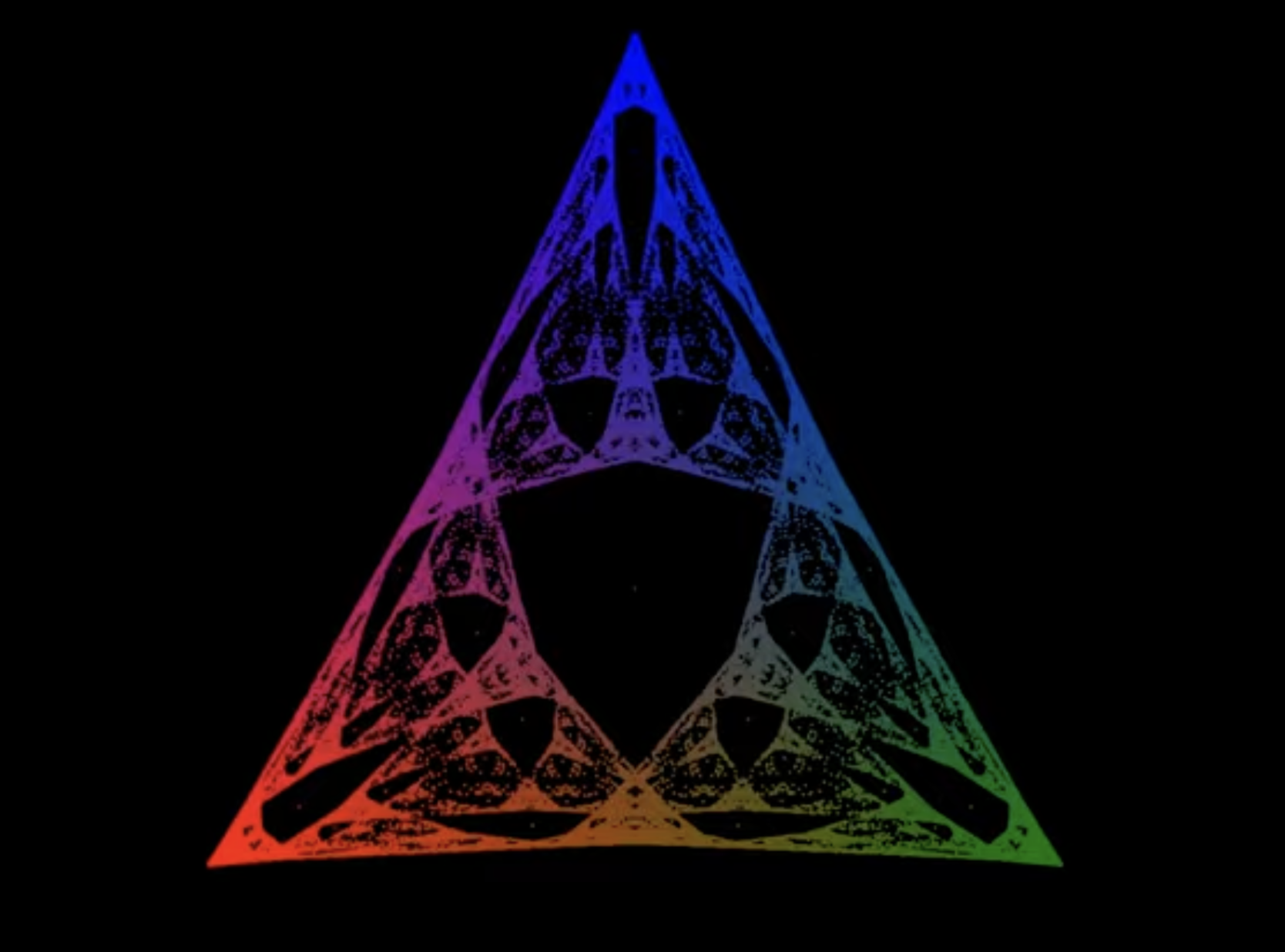
Our Simplex team is developing this basic science of intelligence —— anticipating internal representations of the world, and emergent behaviors in intelligent systems. This understanding is beginning to compound. Hopefully fast enough to nudge the future before ASI reaches escape velocity. It is the fundamental problem of our time.